From a church basement
to seven state capitols.
Scroll through the timeline. Each tile is a document, a face, a number that didn't exist before someone decided to go back inside — with a briefcase.
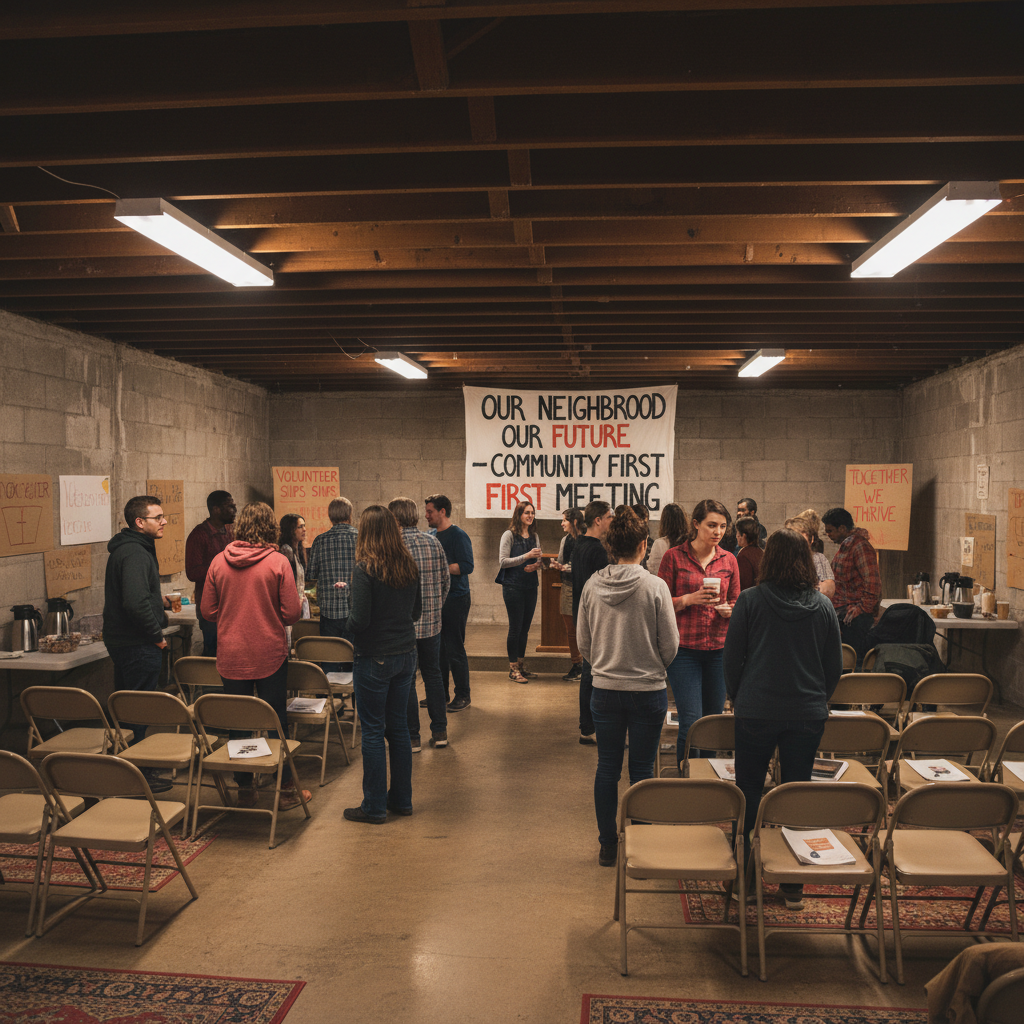
First meeting
Seventeen people. A church basement in Lansing. No budget, no timeline. Just a list of names on a legal pad.
412 signatures collected door to door. Most people signed at kitchen tables. A few signed through screen doors, not opening them.
The problem we named
Michigan's mandatory minimums were written in 1978. The legislators who wrote them have been retired for twenty years. The sentences are still running.

Writing the first draft
Darnell wrote the first version of what would become SB 441 on yellow legal paper. His public defender helped him understand the statutory language.
SB 441 Introduced
Senate Bill 441: Sentencing Reform and Second Chance Act. First bill drafted with direct input from formerly incarcerated co-authors. Referred to committee.
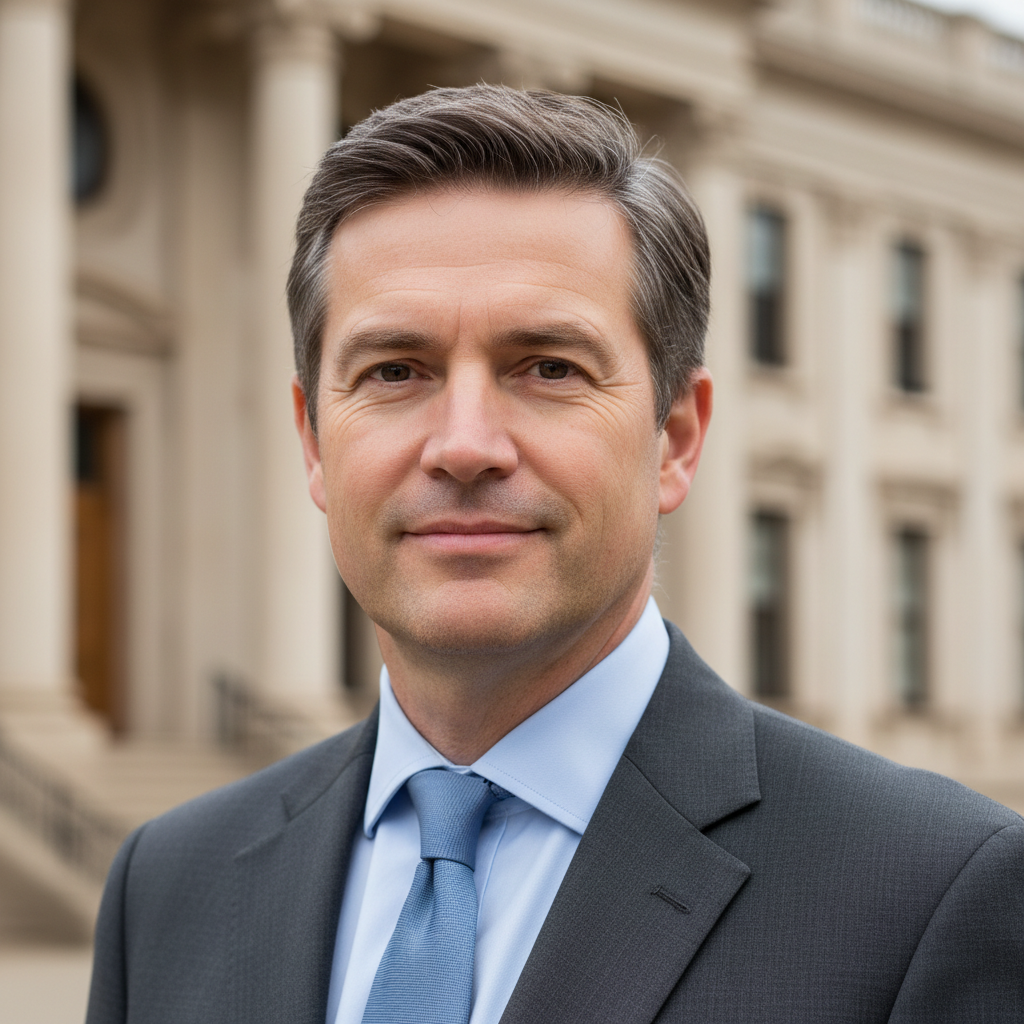
Marcus Tillman
Served 14 years. Now drafts mandatory minimum reform in Ohio and Pennsylvania. Former cellblock, current statehouse.
Pilot counties show results
In the three counties where our re-entry coordination model was piloted, 3-year recidivism rates dropped by 31% compared to state average.
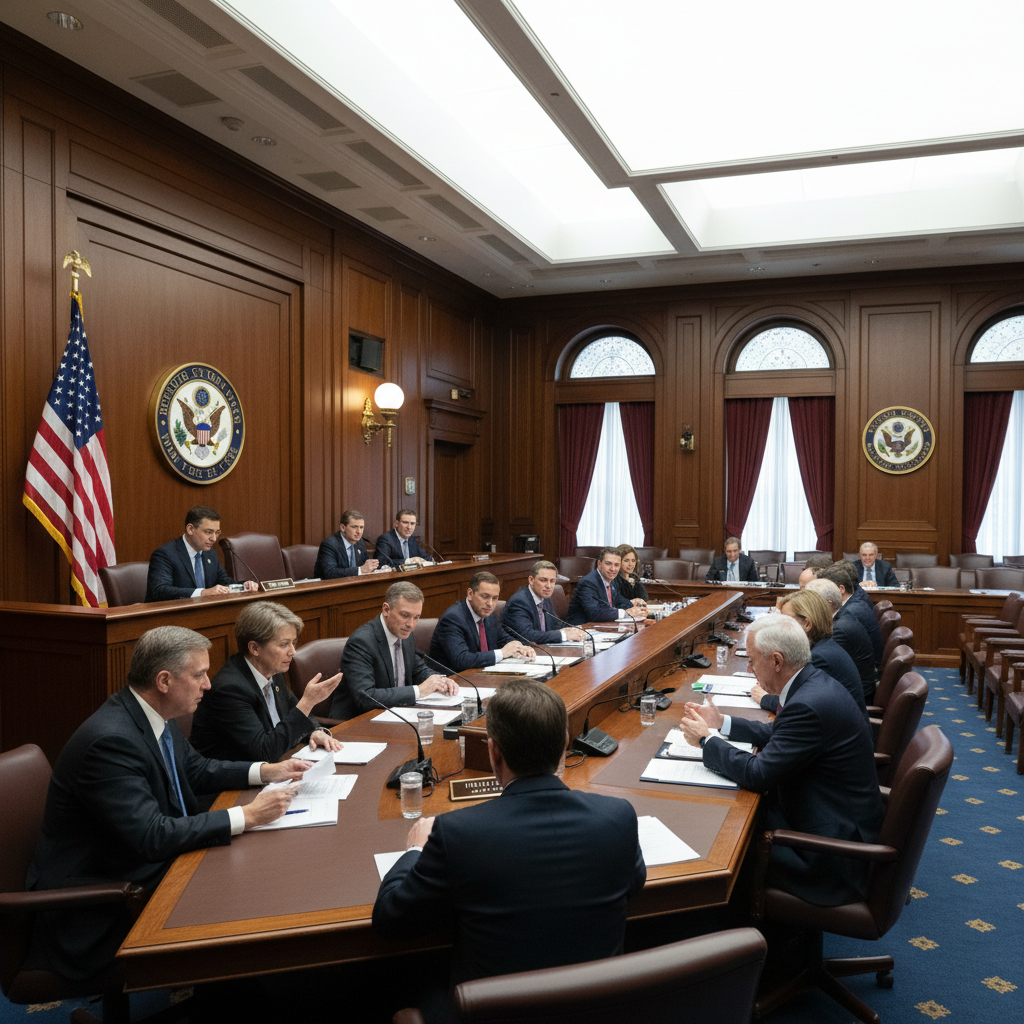
Legislative testimony
Keisha testified before the Senate Judiciary Committee for 22 minutes. The chair asked her to stay after the session ended.
Crossing state lines
What started in one church basement now operates in Michigan, Ohio, Pennsylvania, Georgia, Texas, Colorado, and Washington State.

Yolanda Ferris
Former public defender, now policy director. Bridges the gap between courtroom reality and legislative language.
Legislation that moved
Eleven bills shaped or co-authored by Parole organizers have been signed into law since 2020. Three more are in committee this session.

Darnell Watkins
Co-Founder. Served 11 years. Has testified before 23 legislative committees in 7 states. Drafted language now embedded in Ohio Revised Code.
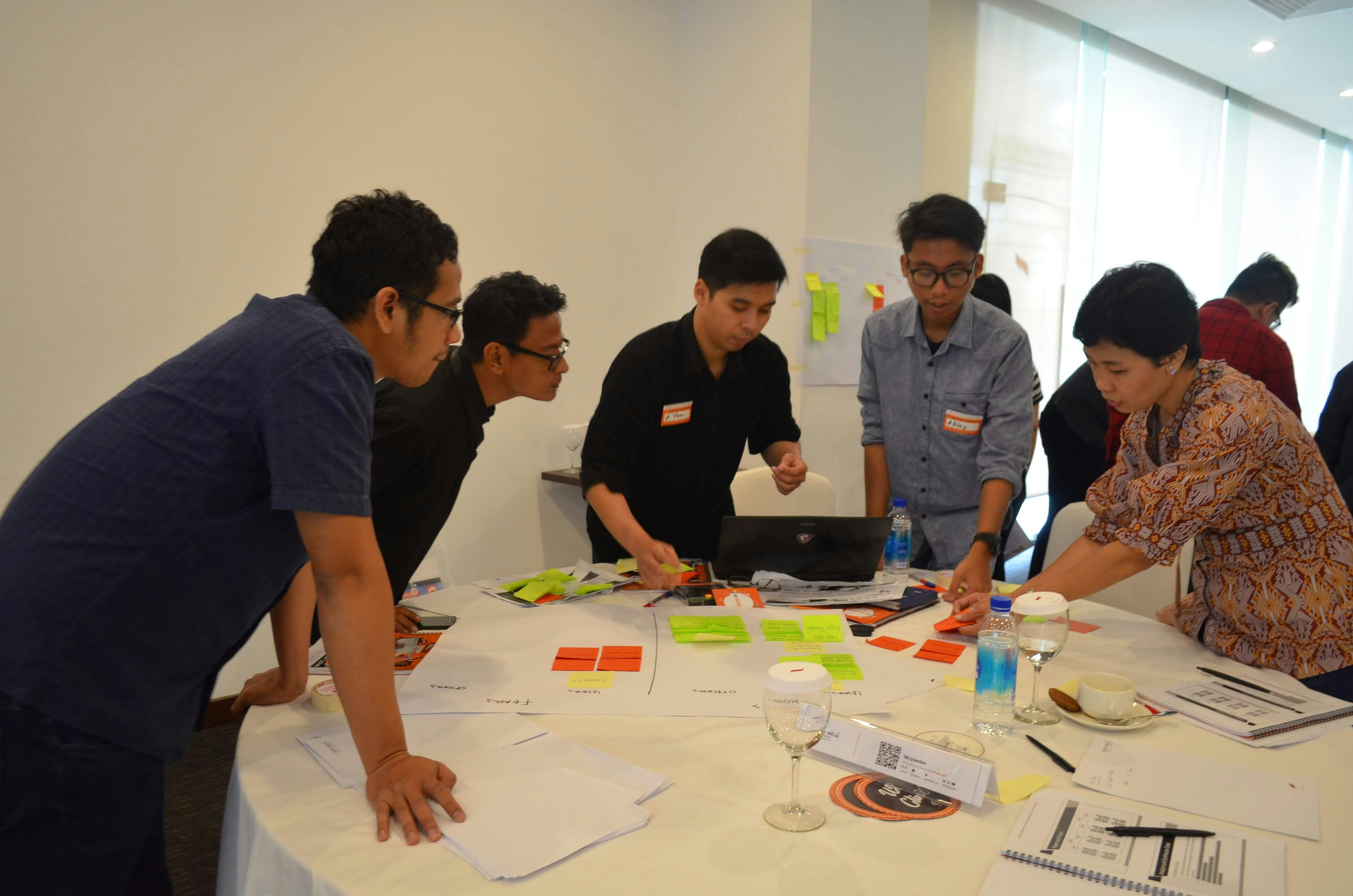
The model bill is ready
Five years of drafting, testimony, and revision. The Parole Model Sentencing Reform Act is available for any state coalition to adopt.
Five years of drafting, testimony, and revision — ready for your state.
The Parole Model Sentencing Reform Act addresses mandatory minimums, parole board composition, and re-entry coordination. It's written in plain language, with statutory citations, and a coalition organizing guide. Public defenders, family members, and church coalitions have all used it.
People who went back inside —
through the front door.
Bring Us to Your Statehouse
If your coalition is ready to request an organizer visit — to your statehouse, your congregation, your public defender's office — we respond within 48 hours. No pitch deck required.
Request an Organizer Visit
Darnell Watkins
Co-Founder
"I learned parliamentary procedure in a cell. Now I use it in a chamber."

Keisha Monroe
Lead Organizer — Southeast
"The families know the system better than most lawyers. We just need someone to hand them the microphone."
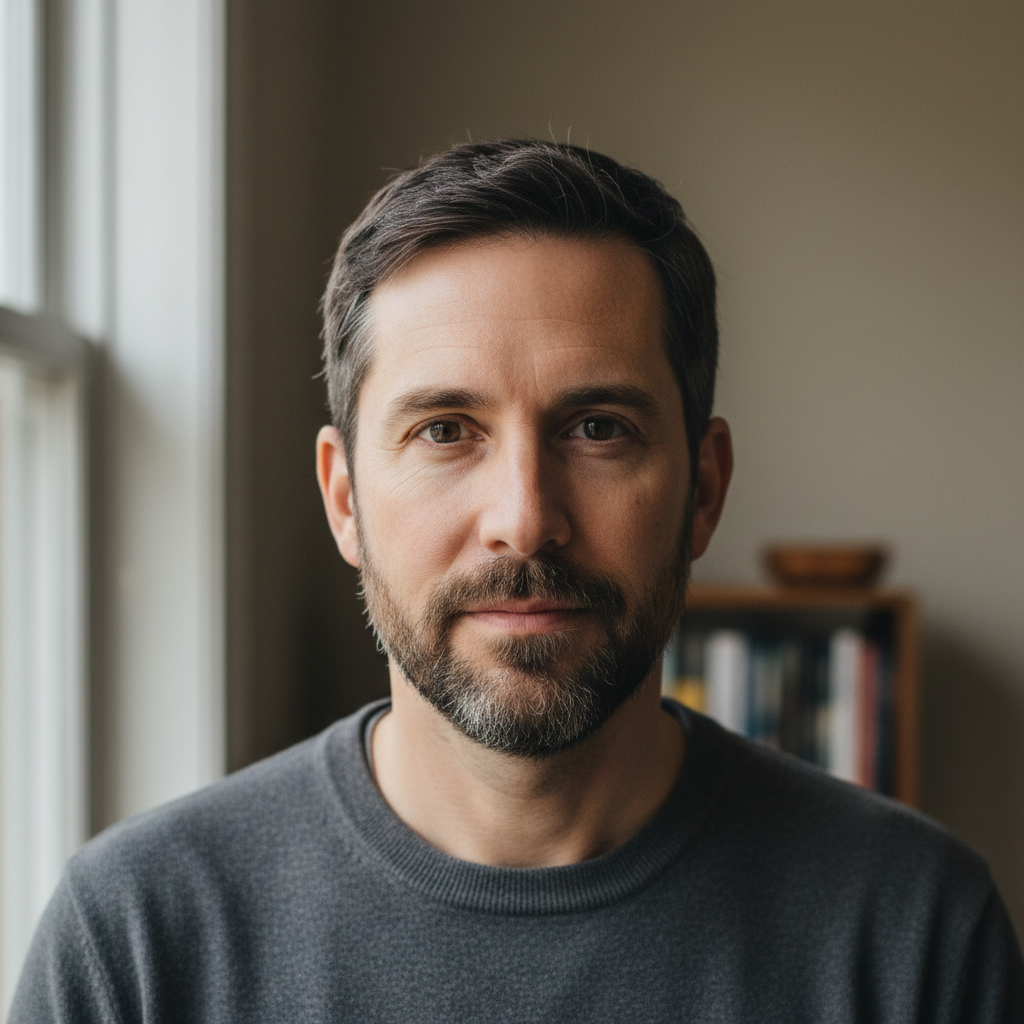
Raymond Osei
Lead Organizer — Midwest
"My daughter has never seen me in handcuffs. The bill we helped pass made that possible for 847 other children."
If you're a public defender with forty cases and no time, a family member counting the hours until the next visit, or a church running a re-entry program out of a basement fellowship hall — this page was written for you. The bill is real. The organizers are available. The door is open.
Not projections. Documented results.
Every number here is sourced. County recidivism data from state DOC reports. Legislative records are public. We don't round up.
"By the time you reach this sentence, you've read enough to know this is real. The bill is ready. The organizers are waiting. The door is open."